If you’ve ever stepped into a pet daycare, a veterinary clinic, or even a neighbor’s backyard after a weekend dog park visit, you’ve likely noticed the tiny, lightweight, single-use items that make pet care easier for owners, staff, and animals themselves. As a non woven disposables supplier who’s worked with pet industry clients for over seven years, I’ve watched this segment evolve from a small niche to a booming, science-backed category—where the right type of disposable can cut down on infection risk, reduce owner stress, and even make vet visits less traumatic for skittish animals. What surprises many people outside the industry isn’t just how many different non woven items exist for pets, but how each type is engineered for a specific job, not just a generic “disposable” solution. Let’s break down the most popular types right now, what makes them work, and why they’ve become non-negotiable for so many pet care teams. Non Woven Disposables

First on the list is non woven pet training pads—by far the top-selling non woven disposable in the North American pet market, and one of the most innovative categories I’ve seen. A decade ago, most training pads were flimsy, low-quality fabric that leaked easily, leaving puddles on hardwood floors and carpets. Today’s versions are made from a multi-layer non woven structure: a soft, quilted top layer of 100% polypropylene that’s gentle on a puppy’s sensitive paws, a middle layer of hydrophilic non woven core that rapidly absorbs liquid, and a leak-proof back layer (often either a thin non woven film or a laminated non woven) that locks moisture in. What sets popular training pads apart is their targeted design for pets, not just humans. For example, many brands now add attractants—natural pheromones or scents that draw puppies to the pad—something we as suppliers work hard to integrate without compromising the non woven’s absorbency. We’ve also adjusted pad sizes for different lifestyles: small 17×24 inch pads for apartment balcony use, large 28×34 inch pads for house-breaking large breed puppies, and even XL 36×36 inch pads for senior pets with incontinence issues that can’t make it to the door quickly. What I hear most from our vet clinic and pet store clients is that training pads aren’t just for puppies anymore—70% of our repeat orders for these pads now come from owners caring for senior dogs with arthritis or pets recovering from surgery who have limited mobility. The science here is simple: non woven’s porous structure means it absorbs 5x its weight in liquid, compared to old cotton or paper alternatives, and the single-use design eliminates the need for laundering, which cuts down on waste and the spread of bacteria in multi-pet households.
Next up, vet clinics and mobile pet care operators swear by non woven exam drapes and patient clothing, a category that’s exploded in popularity post-pandemic. Before non woven fabrics, vet clinics used reusable cotton drapes and bandanas, which required constant sterilization—an expensive and time-consuming process that also carried a small risk of cross-contamination between patients. Today’s non woven exam drapes are made from a lightweight, sterile SMS (Spunbond-Meltblown-Spunbond) non woven fabric, which is both fluid-resistant and breathable. That breathability is key: if a dog is anxious or overheated in an exam room, a plastic drape would trap heat, but SMS non woven lets air circulate while blocking blood, saliva, or other bodily fluids. We supply these drapes in custom sizes for everything from small cat exam tables to large dog surgical prep areas, and many of our clinic clients also use non woven patient gowns for post-surgery recovery. These gowns are stretchy, soft, and have Velcro closures that don’t stick to fur, which is a huge upgrade from traditional bandages that can be chewed off or rubbed raw. What I love about this category is that it’s not just functional—it reduces stress for pets. A 2022 study from the Journal of Veterinary Medical Education found that non woven exam drapes and patient clothing reduced feline stress behaviors (like hissing, hiding, or scratching staff) by 32% during exams, compared to reusable cotton alternatives. That’s a number that matters a lot to our vet clients, who tell us that calmer patients mean more accurate diagnoses and less work for their teams.
Another fast-growing segment is non woven pet grooming wipes, which have replaced traditional paper towels and even some cotton wipes for both in-salon grooming and at-home use. The best pet grooming wipes aren’t just wet cloths—they’re made from a textured, durable non woven fabric that’s designed to break down dirt, dander, and even tough things like grass seed or mud, without irritating a pet’s skin. We use a combination of viscose and polypropylene in our grooming wipes: viscose makes the fabric soft and hypoallergenic, while polypropylene adds strength so the wipe doesn’t tear mid-groom, even when wiping a large, muddy Great Pyrenees. Popular variants now include specialized wipes for different jobs: eye and ear wipes that are gentle enough for use around sensitive mucous membranes, paw wipes infused with aloe and tea tree oil to soothe irritated paw pads after a walk on hot pavement or salted ice, and deodorizing wipes that eliminate pet odors without harsh chemicals. What’s driving demand here is convenience: 68% of pet owners in a 2023 APPA (American Pet Products Association) survey said they use pet grooming wipes at least once a week, up from 45% in 2019. The key difference between a cheap drugstore wipe and the popular, high-performing ones we supply is the non woven’s texture and liquid retention. A good grooming wipe can hold up to 10 times its weight in liquid, so you don’t need multiple wipes for a muddy puppy, and it doesn’t leave lint or residue on fur after use.
Then there’s the category of non woven pet carriers and bedding liners, which is less talked about but growing fast. Many pet owners use disposable non woven liners in their carrier or crate to keep messes contained during travel, boarding, or when a pet is recovering from illness. These liners are made from a lightweight, tear-resistant non woven that fits snugly in most standard crates and carriers, and they’re absorbent enough to handle accidents. We also supply custom non woven inserts for pet carriers that have a soft, quilted top layer for comfort and a leak-proof back layer. What makes these popular is their versatility: they work for car rides, flights, boarding at kennels, and even at home for senior pets. A lot of our clients in the pet travel industry also use non woven face masks and protective covers for pet carriers to keep pets safe from germs during transport, which is an extension of the same non woven technology used in medical PPE.
Finally, non woven pet containment items like disposable pet playpen liners and fence covers are gaining traction for outdoor and indoor use. These liners are heavy-duty non woven fabric that can stand up to scratches, mud, and moisture, and they’re designed to be laid down under pet playpens or in backyard runs to protect grass and hard floors from scratches and messes. Unlike plastic sheeting, non woven liners are breathable, so they don’t trap moisture that can cause mold or mildew, and they’re easy to dispose of after use. Many boarding facilities and event spaces (like pet expos) use these because they’re affordable, disposable, and reduce the risk of cross-contamination between pets from different homes.
As a supplier, one of the questions I get most often is: why non woven, instead of other materials like cotton or plastic? The answer comes down to three key factors: performance, cost, and hygiene. Non woven fabrics are engineered to have specific properties—absorbency, breathability, fluid resistance, strength—that you can’t get from standard woven cotton or paper. They’re also more affordable than reusable cotton alternatives, because you don’t have to pay for laundering, maintenance, or the risk of wear and tear over time. Most importantly, for the pet industry, non woven’s single-use nature drastically reduces the risk of cross-contamination, which is critical in vet clinics, boarding facilities, and multi-pet households where illness can spread quickly.
What excites me most about this space is that it’s still evolving. We’re currently working on developing non woven disposables for pet wound care that integrate gentle, pet-safe antiseptic treatments directly into the fabric, so owners can apply medication without disturbing a pet’s healing bandage. We’re also testing biodegradable non woven training pads that break down in compost piles, which addresses a big concern for eco-conscious pet owners who want to reduce their carbon paw print.
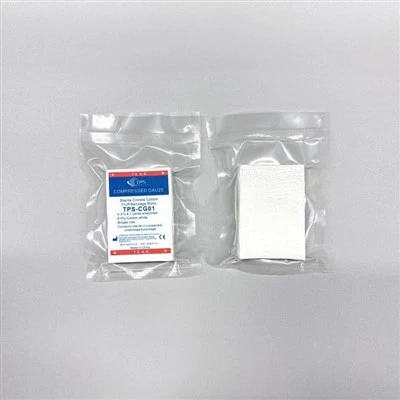
Medical Bandages For anyone in the pet industry—whether you run a grooming salon, a vet clinic, a pet supply store, or you’re a large-scale boarding facility—choosing the right non woven disposables isn’t just a convenience; it’s an investment in animal health, staff efficiency, and owner satisfaction. If you’re looking to upgrade your current products or test new non woven solutions tailored to your pet care needs, I’d be happy to connect and discuss how our custom, high-quality non woven disposables can fit your operations.
References
- Journal of Veterinary Medical Education. (2022). The impact of single-use non woven textiles on veterinary patient stress and infection control.
- American Pet Products Association (APPA). (2023). National Pet Owners Survey: Pet Grooming and Care Trends.
- Non Wovens Industry Association. (2021). Technical Brief: Non Woven Fabrics in Companion Animal Care.
- Veterinary Infection Control Journal. (2020). Cross-contamination risk reduction with single-use non woven exam supplies in small animal clinics.
Hangzhou Tuopusi Medical Products Co., Ltd.
As one of the most professional non woven disposables manufacturers and suppliers in China, we offer a wide range of products with superior quality. Please feel free to wholesale bulk customized non woven disposables at competitive price from our factory. Also, free sample is available.
Address:
E-mail: sales@tpsmedic.com
WebSite: https://www.medressing.com/
