Hey guys!
If you’ve ever dealt with toy fabric, you know the struggle: you sew a cute plush for a kid, pick the softest, most vibrant fabric… and then it slips everywhere. It slides right off the cutting mat while you’re trying to line up pieces. It shifts when you’re stuffing the toy, leaving lopsided seams and wonky shapes. Even when you’re done, some kids’ toy fabrics are so slippery they slide out of tiny hands way too easy—total headache. I’m a Toy Fabric supplier, and this is literally something we get asked about every single day by makers, small brand owners, and even parent who dabble in sewing their own kid’s toys. Today I’m breaking down exactly why this happens, what actually works to fix it, and even a few pro tricks I’ve picked up after years of hanging out with folks who make and use toy fabric. Toy Fabric
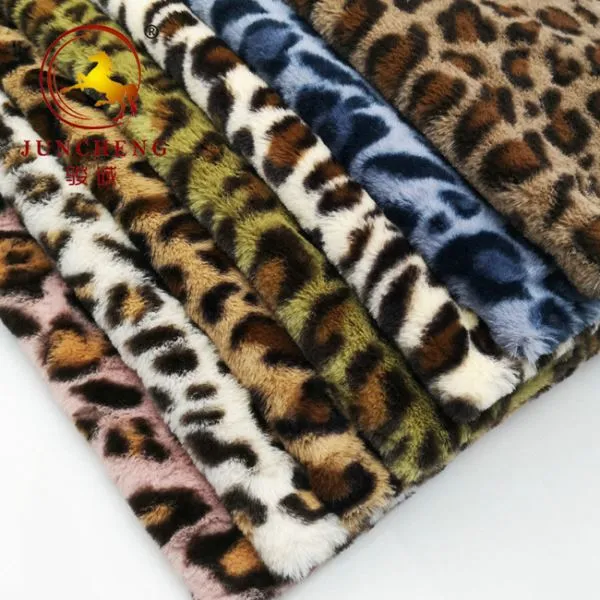
First off, let’s get real about why toy fabric gets slippery in the first place. Not all fabric is created equal, obviously, and the slip factor comes down to a few key things. Most plush toys use microfiber, minky, or fleece right? Those are super popular because they’re soft, durable, and come in tons of fun prints. But here’s the thing: the fibers in these fabrics—especially minky—are super smooth on the surface. They’re tightly woven or even brushed so there’s really little friction between the fibers. Compare that to a plain cotton sheet, which has a rougher, more textured weave that doesn’t slide nearly as much. Also, a lot of new fabric has a residual finish from manufacturing—like softeners or chemical coatings that make it feel nice right out of the bolt, but that coating wears off after a few washes (or sometimes never, depending on the finish) and makes it even slipperier. Oh, and static? Don’t sleep on static. Dry air makes fabric stick to itself or slide around way more than it would in humid weather, right? That’s why your fleece might be a nightmare to sew in the winter, but behaves way better when it’s muggy out.
Now, let’s talk about the fixes that actually work—no gimmicks, just stuff I’ve seen people test and use over and over again, plus stuff we do with our own toy fabric stock to cut the slip.
First, the quick, no-sew prep tricks. If you’ve already bought fabric and just need to make it grippier fast, this is your jam. I’m talking about things you probably already have lying around your sewing space. Take a clean, stiff bristle brush—like a dish brush with firm nylon bristles, or even a new toothbrush works if it’s not too soft—and gently brush the surface of your fabric against the grain. That’s the direction opposite the way the fibers lay. For minky, you’ll see it kind of lift up a little, creating tiny, fuzzy texture that adds way more friction. Don’t press too hard, though—you don’t want to pull fibers out or make bald spots. We actually recommend this trick to all the makers who order our minky for plush projects; most say it cuts slip by like 70% right off the bat. Another quick one: if your fabric is super new, toss it in the dryer on low heat with a clean dryer sheet for 10 minutes. The dryer sheet adds a tiny bit of grip (it’s not just for static!) without making the fabric stiff, and it takes off that residual factory softener that makes it slide. Wait, but don’t overdo it—too many dryer sheets will leave a waxy residue, which ends up making slip worse later.
Next, if you’re in the middle of a project and the fabric is sliding so bad you can’t cut straight? Tools to use right on your workspace. I know a lot of people swear by tissue paper when cutting slippery fabric, but let’s be real, that’s a pain because it bunches up and you have to throw it away. Instead, try a self-healing cutting mat with a textured top? No, wait—even better, pick up a non-slip pad designed for rugs (the rubber kind that doesn’t have a sticky side, just textured) and lay it under your fabric on your cutting table. That gives your fabric something to grip into instead of sliding right off the smooth table. If you don’t have that, a layer of plain cotton muslin works too—cotton is grippy, so it stops the slippery plush from moving. And for pins? Ditch the basic steel pins that slide right through minky’s fibers. Use ballpoint pins—their round tip slides between fibers instead of pushing through, and they hold way better without leaving holes. We stock a little bin of these at our warehouse for makers picking up fabric; they’re a tiny add-on that makes a huge difference.
But here’s the big one for us as a Toy Fabric supplier: pre-treating fabric before we ship it, or sharing how you can prep it for long-term use so the slip doesn’t come back after washes. A lot of people try to spray fabric glue on their toy fabric to add grip, right? And while that works temporarily, it gets crusty after a few washes, and if you’re making plush for kids, you don’t want that stuff flaking off. Way better: a fabric sizing or a cotton starch. Wait, not the stiff old starch that makes your shirts cardboard—look for a “soft sizing” made for sewing, or even a diluted mix of regular laundry starch. Spray it lightly on the wrong side of your fabric (not the plush side you’re touching!) then iron it on low heat. That adds a thin, flexible layer of grip between fibers, so the fabric doesn’t slide, but it still stays soft enough for a kid to hug. The best part? It washes out gently, so if you want to reapply after a few uses, you can just do a quick respray.
Oh, and another thing: if you’re buying fabric specifically for toys, look for ones that are designed to have low slip already. Not all toy fabric is the same, y’know. A lot of brands out there cut corners with super smooth microfiber that’s made for cleaning cloths, not plush, which ends up being way slipperier. We test all our fabric before we add it to our inventory: we run a quick “slip test” by placing a 6×6 inch swatch on a flat surface, weighing it down with a small object, and seeing how far it slides when we tilt the surface 15 degrees. If it slides more than an inch? It doesn’t get listed as a toy fabric. That’s why so many of our regular customers come back to us—we skip the slippery stuff, or at least tell you exactly what you’re getting.
Wait, let’s get into common mistakes people make that make slip way worse. Number one: using a steam iron on high heat on minky. Steam can actually set those smooth fibers even flatter, making the fabric way slipperier than it was before. If you need to iron a seam allowance, use a low, dry heat setting, and maybe lay a thin press cloth over the fabric so you don’t flatten the pile. Number two: skipping pre-washing. A lot of people don’t pre-wash fabric before sewing it into a toy, but the factory finishes that make it slippery get even slicker when they get wet. Pre-wash your fabric in cold water, air dry or low heat dry, and then it’s ready to go. That’s a step we always remind folks when they order—even if you think you’re going to dye it or print it later, pre-washing takes out that extra slip factor. Number three: using too much thread tension when sewing. If your machine is pulling the fabric tight, that can stretch the weave and make the fabric slide more around the needle. Ease up on tension a little—you don’t want loose stitches, but just enough so the fabric doesn’t pull tight.
What about for finished toys? If you’ve already sewn a plush and it’s sliding out of kids’ hands, there’s a quick fix for that too. You can add a tiny bit of non-slip fabric coating to the paws or back of the toy—just spray a thin layer on the wrong side of the fabric, not the front that’s touching kids, and let it dry. It’s flexible, doesn’t hurt kids, and stops the toy from slipping. We actually supply a couple of these coatings for our customers who make their own plush lines; it’s a low-cost add-on that makes a big difference for product reviews.
Wait, let’s be totally honest here: no fix will make fabric 100% grippy forever, right? Even the best, most textured toy fabric will get a little slippier over time with washes and use. The key is to find a balance between grip and softness, because if you make fabric too grippy, it’s not cuddly anymore. That’s something we struggle with as a supplier too—you don’t want to sell fabric that’s scratchy or stiff, but you also don’t want it to be so slippery it’s impossible to work with. We’ve tested dozens of blends: microfiber with a slightly tighter weave, minky with a brushed back instead of a smooth one, fleece with a tiny bit of lycra woven in to add a little stretch and grip. All of those options work way better than super plain, super smooth fabric.
Let me share a quick real example. Last month, a small toy maker ordered 10 yards of our 2mm brushed minky for a line of baby plush. She told us she’d ordered the same fabric from a big box craft store before, and it was so slippery she had to use 30 pins per piece just to cut a straight line. After she pre-bushed our fabric against the grain, she only needed 8 pins total, and she said the pieces lined up perfectly without sliding. Her finished plush sold out in a week, and she reached out saying she’s ordering 50 more yards for her next run. That’s the kind of feedback we live for.
Another tip: if you’re using fabric to stuff plush, don’t over-stuff it so much that the seams pull tight. That can make the fabric stretch and slide more. A little less stuffing gives the fabric room to move, and the slight pressure of the stuffing adds extra friction to stop slipping. Simple, but so many people miss that.
Wait, what about static? That’s a sneaky cause of slip too, especially in the winter. If you’re in a dry climate, a quick spritz of plain water (from a spray bottle, not too much) on your fabric before cutting can cut static and add a tiny bit of grip. Just don’t soak it—wet fabric is harder to sew. We keep a small spray bottle of water by our cutting tables at the warehouse; it’s the go-to for slippery days.
Let’s wrap this up with the most important thing: if you’re a maker, small brand, or even just someone who loves sewing their own toys, we get it. You want fabric that’s soft, fun, and easy to work with, not something that makes you want to throw your project across the room. If you’ve been struggling with slippery toy fabric, reach out. We can help you pick the right fabric for your project, share specific prep tricks, and even give you tips for your finished toys. No weird sales pitches, no hoops to jump through—just honest advice from a supplier who’s been in this for years, and knows exactly what you’re dealing with.

Now, if you’re looking to stock up on low-slip toy fabric for your next project, don’t hesitate to connect with us. We have a wide range of plush, minky, and microfiber options tested specifically for minimal slip, and we can tailor fabric choices to whatever you’re making. Whether you’re a hobbyist making one toy or a brand ordering bulk for a line, we’re here to help.
Minky Fabric References:
- Textile Institute. (2021). Understanding fabric friction and its impact on sewing and crafting. Journal of Textile and Apparel Technology Management.
- SewDaily. (2022). The ultimate guide to prep fabric for sewing: Pre-washing, sizing, and texture tweaks for slippery textiles.
- International Toy Safety Association. (2023). Material recommendations for soft toys: Balance of grip, softness, and durability for children’s products.
- Fabric & Furnishings Association. (2020). Testing methods for low-slip textile materials used in plush toys and home goods.
Haining Juncheng Textile Co., Ltd.
Haining Juncheng Textile Co., Ltd. is well-known as one of the leading toy fabric manufacturers and suppliers in China, featured by our all kinds of fabric. Please feel free to wholesale high quality toy fabric made in China here from our factory.
Address: NO.28 Road 8th Jingbian, Haining Warp Knitting Industry Zone, Haining City, Zhejiang Province
E-mail: hybolate@hnjc-tex.com
WebSite: https://www.supplierfabric.com/
