What is the sensitivity of an infrared proximity sensor?
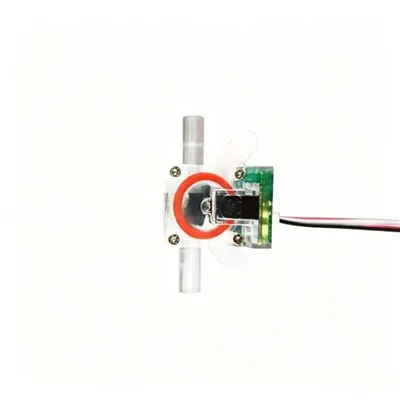
As a supplier of infrared proximity sensors, I’ve been asked countless times about the sensitivity of these incredible devices. It’s a topic that’s both complex and fascinating, and it’s essential for anyone looking to use infrared proximity sensors in their projects. In this blog post, I’ll delve into the concept of sensitivity, explain how it’s measured, and discuss its importance in various applications. Infrared Proximity Sensor
Understanding the Basics of Infrared Proximity Sensors
Before we dive into sensitivity, let’s first understand what an infrared proximity sensor is and how it works. An infrared proximity sensor is a device that uses infrared light to detect the presence or absence of an object within a certain range. It emits infrared light from an LED (light – emitting diode) and then measures the amount of light that is reflected back to a photodetector.
The basic principle behind its operation is simple yet effective. When an object enters the sensor’s detection range, the infrared light emitted by the LED hits the object and is reflected back to the photodetector. The photodetector then converts the reflected light into an electrical signal, which can be processed by a microcontroller or other electronic device.
Defining Sensitivity
The sensitivity of an infrared proximity sensor refers to its ability to detect objects at different distances and under various conditions. A highly sensitive sensor can detect objects even when they are far away or when the reflected infrared light is very weak. On the other hand, a less sensitive sensor may only be able to detect objects that are close by or that reflect a large amount of light.
Sensitivity is often expressed in terms of the maximum detection range. For example, a sensor with a high sensitivity might have a maximum detection range of several meters, while a less sensitive sensor might only be able to detect objects within a few centimeters. However, detection range is not the only factor that determines sensitivity. Other factors, such as the reflectivity of the object, the ambient light conditions, and the angle of incidence of the infrared light, also play a role.
Measuring Sensitivity
There are several ways to measure the sensitivity of an infrared proximity sensor. One common method is to use a target object with a known reflectivity and measure the distance at which the sensor can reliably detect the object. This is typically done in a controlled environment with minimal ambient light to ensure accurate results.
Another way to measure sensitivity is to measure the output voltage of the sensor’s photodetector as a function of the distance between the sensor and the target object. As the object gets closer to the sensor, the amount of reflected light increases, and so does the output voltage of the photodetector. By plotting the output voltage against the distance, we can get a better understanding of the sensor’s sensitivity characteristics.
In addition to the above – mentioned methods, some manufacturers may also use standardized test procedures to measure the sensitivity of their sensors. These procedures often involve using a set of calibrated targets and specific test conditions to ensure consistency and comparability between different sensors.
Factors Affecting Sensitivity
As mentioned earlier, several factors can affect the sensitivity of an infrared proximity sensor. Let’s take a closer look at some of these factors:
- Reflectivity of the Object: Different objects have different reflectivities. For example, a shiny metal surface will reflect more infrared light than a black, matte surface. As a result, a sensor will be more sensitive to objects with high reflectivities and may have a harder time detecting objects with low reflectivities.
- Ambient Light Conditions: Ambient light can interfere with the operation of an infrared proximity sensor. If the ambient light is too bright, it can saturate the photodetector and make it difficult for the sensor to distinguish between the reflected infrared light and the ambient light. To mitigate this problem, many sensors are designed with filters or other techniques to reduce the influence of ambient light.
- Angle of Incidence: The angle at which the infrared light hits the object can also affect the amount of light that is reflected back to the sensor. If the angle of incidence is too large, most of the light will be reflected away from the sensor, resulting in a weaker signal and reduced sensitivity.
Importance of Sensitivity in Different Applications
The sensitivity of an infrared proximity sensor is crucial in many different applications. Here are a few examples:
- Robotics: In robotics, infrared proximity sensors are often used to detect obstacles and navigate the environment. A highly sensitive sensor can detect obstacles from a greater distance, giving the robot more time to react and avoid collisions.
- Automotive Industry: In cars, infrared proximity sensors are used for parking assistance systems. A sensitive sensor can accurately detect the distance between the car and other objects, making it easier for the driver to park safely.
- Consumer Electronics: Many consumer electronics devices, such as smartphones and tablets, use infrared proximity sensors to detect when the device is close to the user’s face. This is used to turn off the touchscreen to prevent accidental touches during a call. A sensitive sensor can ensure that the touchscreen is turned off quickly and accurately.
Optimizing Sensor Sensitivity
As a supplier, we understand the importance of providing sensors with the right level of sensitivity for our customers’ applications. To optimize the sensitivity of our sensors, we use advanced manufacturing techniques and high – quality components.
We also offer customization options to meet the specific needs of our customers. For example, if a customer needs a sensor with a longer detection range or greater immunity to ambient light, we can adjust the sensor’s design and parameters accordingly.
In addition, we provide technical support to help our customers install and calibrate the sensors correctly. Proper installation and calibration are essential for achieving the best possible sensitivity and performance from the sensors.
Conclusion
The sensitivity of an infrared proximity sensor is a critical parameter that determines its ability to detect objects in various conditions. Understanding sensitivity, how it’s measured, and the factors that affect it is essential for anyone looking to use these sensors in their projects.
As a leading supplier of infrared proximity sensors, we are committed to providing high – quality sensors with excellent sensitivity and performance. Whether you’re working on a robotics project, an automotive application, or a consumer electronics device, we have the right sensor for you.
Hall Flow Meter If you’re interested in learning more about our infrared proximity sensors or would like to discuss your specific requirements, please feel free to reach out to us. Our team of experts is ready to assist you in finding the perfect sensor solution for your needs. Contact us today to start your purchasing journey and take advantage of our high – quality infrared proximity sensors.
References
- Hall, E. L. (Ed.). (2007). MEMS and micro sensors handbook. Taylor & Francis.
- Doebelin, E. O., & Sheppard, R. H. (2011). Measurement systems: application and design. McGraw – Hill.
- Nakamura, S., Fasol, G., & Pelz, S. (2000). The blue laser diode: The complete story. Springer Science & Business Media.
Shenzhen Fineherc Technology Co., Ltd.
As one of the most experienced infrared proximity sensor suppliers in China, we’re featured by quality products and low price. Please feel free to buy discount infrared proximity sensor made in China here from our factory. Welcome to view our website for more information.
Address: 5th Floor, Building D, No. 39, Keji East Road, Torch Development Zone, Zhongshan City,China
E-mail: fineherc@hotmail.com
WebSite: https://www.fineherc.com/
