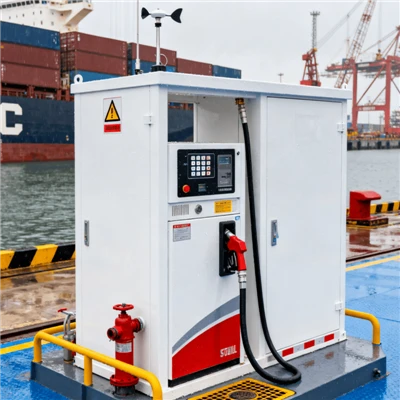
Building an explosion-proof gas station is a complex and challenging endeavor that requires a comprehensive understanding of safety regulations, engineering principles, and technological advancements. As a seasoned explosion-proof gas station supplier, I have witnessed firsthand the numerous obstacles that must be overcome to create a safe and efficient fueling facility. In this blog post, I will delve into the key challenges associated with building an explosion-proof gas station and discuss how we, as a supplier, address these issues to deliver high-quality solutions to our clients. Explosion Proof Gas Station
Regulatory Compliance
One of the most significant challenges in building an explosion-proof gas station is ensuring compliance with a multitude of local, national, and international regulations. These regulations are designed to protect the public, employees, and the environment from the potential hazards associated with fuel storage and dispensing. They cover a wide range of topics, including building design, electrical systems, ventilation, fire protection, and emergency response.
Keeping up with the ever-changing regulatory landscape can be a daunting task. New regulations are constantly being introduced, and existing ones are often updated to reflect the latest safety standards and scientific research. Failure to comply with these regulations can result in significant fines, legal liability, and even the closure of the gas station.
To address this challenge, our team of experts stays up-to-date with the latest regulatory requirements and ensures that all our explosion-proof gas station designs and installations meet or exceed these standards. We work closely with local authorities and regulatory agencies to obtain the necessary permits and approvals, and we provide ongoing support and training to our clients to help them maintain compliance over time.
Hazardous Area Classification
Another critical challenge in building an explosion-proof gas station is correctly classifying the hazardous areas within the facility. Hazardous areas are defined as locations where there is a potential for the presence of flammable gases, vapors, or dusts in sufficient quantities to cause an explosion. These areas must be identified and properly classified to ensure that the appropriate explosion-proof equipment and electrical systems are installed.
The classification of hazardous areas is based on a variety of factors, including the type of fuel being stored and dispensed, the ventilation conditions, and the probability of a flammable atmosphere occurring. Incorrect classification can lead to the installation of inadequate explosion-proof equipment, which can increase the risk of an explosion.
To accurately classify the hazardous areas in our explosion-proof gas stations, we conduct detailed site surveys and risk assessments. Our team of engineers uses advanced modeling tools and techniques to analyze the potential sources of flammable substances and the dispersion patterns of these substances in the air. Based on this analysis, we determine the appropriate classification for each area and specify the necessary explosion-proof equipment and electrical systems.
Explosion-Proof Equipment Selection and Installation
Selecting the right explosion-proof equipment and ensuring its proper installation is crucial for the safety of an explosion-proof gas station. Explosion-proof equipment is designed to prevent the ignition of flammable gases, vapors, or dusts in hazardous areas. It includes a wide range of products, such as pumps, valves, electrical switches, lighting fixtures, and control panels.
The selection of explosion-proof equipment must be based on the specific requirements of the gas station, including the type of fuel being stored and dispensed, the hazardous area classification, and the environmental conditions. It is also important to ensure that the equipment is certified by a recognized testing laboratory and meets the relevant safety standards.
Proper installation of explosion-proof equipment is equally important. Incorrect installation can compromise the integrity of the equipment and increase the risk of an explosion. Our team of experienced technicians is trained in the installation of explosion-proof equipment and follows strict installation procedures to ensure that the equipment is installed correctly and safely.
Fire Protection and Suppression
Fire is one of the most significant hazards associated with gas stations. A single spark or ignition source can ignite flammable fuels and cause a catastrophic explosion and fire. Therefore, it is essential to have a comprehensive fire protection and suppression system in place to prevent and control fires at an explosion-proof gas station.
A fire protection and suppression system typically includes a combination of fire detection devices, such as smoke detectors and heat sensors, and fire suppression equipment, such as sprinklers, foam systems, and fire extinguishers. The system must be designed to detect fires early and quickly suppress them before they spread.
Designing an effective fire protection and suppression system requires a thorough understanding of the fire hazards associated with gas stations and the latest fire protection technologies. Our team of fire protection engineers uses advanced modeling tools and techniques to design customized fire protection and suppression systems for each of our explosion-proof gas stations. We also provide ongoing maintenance and testing services to ensure that the system remains in good working condition.
Electrical Safety
Electrical systems are an essential part of any gas station, but they can also pose a significant fire and explosion hazard if not properly designed and installed. Electrical equipment can generate sparks, heat, and arcs, which can ignite flammable gases, vapors, or dusts in hazardous areas.
To ensure electrical safety at an explosion-proof gas station, it is necessary to use explosion-proof electrical equipment and follow strict electrical installation codes and standards. The electrical system must be properly grounded and protected against overcurrent, short circuits, and lightning strikes.
Our team of electrical engineers has extensive experience in designing and installing electrical systems for explosion-proof gas stations. We use the latest explosion-proof electrical equipment and follow the highest safety standards to ensure that the electrical system is safe and reliable. We also provide ongoing electrical maintenance and testing services to detect and prevent potential electrical problems.
Environmental Considerations
Building an explosion-proof gas station also requires careful consideration of environmental issues. Gasoline and other fuels are toxic substances that can cause serious environmental damage if they are released into the environment. Therefore, it is essential to take steps to prevent fuel spills and leaks and to ensure proper disposal of waste materials.
One of the key environmental challenges in building a gas station is designing and installing a reliable fuel storage and dispensing system that minimizes the risk of spills and leaks. This includes using double-walled storage tanks, leak detection systems, and spill containment structures. It is also important to have a plan in place for responding to fuel spills and leaks in a timely and effective manner.
In addition to preventing fuel spills and leaks, it is also important to consider the environmental impact of the gas station’s operations. This includes reducing energy consumption, minimizing emissions of air pollutants, and managing wastewater and solid waste. Our team of environmental engineers works closely with our clients to develop sustainable solutions that meet their environmental goals and comply with all relevant environmental regulations.
Project Management and Coordination
Building an explosion-proof gas station is a large-scale project that involves multiple stakeholders, including architects, engineers, contractors, suppliers, and regulatory agencies. Effective project management and coordination are essential to ensure that the project is completed on time, within budget, and to the required quality standards.
One of the key challenges in project management is coordinating the activities of the different stakeholders. This requires clear communication, collaboration, and a shared understanding of the project goals and requirements. Our project management team has extensive experience in managing complex construction projects and uses the latest project management tools and techniques to ensure that the project progresses smoothly.
Another challenge in project management is managing the project schedule and budget. Building an explosion-proof gas station can be a time-consuming and expensive process, and unexpected delays or cost overruns can have a significant impact on the project’s success. Our project management team develops detailed project schedules and budgets and closely monitors the project progress to identify and address any issues as they arise.
Conclusion
Building an explosion-proof gas station is a complex and challenging task that requires a comprehensive understanding of safety regulations, engineering principles, and technological advancements. As a leading explosion-proof gas station supplier, we are committed to providing our clients with high-quality solutions that meet their specific needs and comply with all relevant safety and environmental regulations.

Through our experience and expertise, we have developed a proven approach to addressing the challenges associated with building an explosion-proof gas station. Our team of experts works closely with our clients to understand their requirements and develop customized solutions that are tailored to their specific needs. We use the latest technologies and materials to ensure the safety, reliability, and efficiency of our explosion-proof gas stations.
Mobile Fuel Station If you are considering building an explosion-proof gas station, we invite you to contact us to discuss your project. Our team of experts will be happy to provide you with more information about our products and services and to answer any questions you may have. By working together, we can ensure that your explosion-proof gas station is built to the highest standards of safety and quality.
References
- National Fire Protection Association (NFPA). NFPA 30A: Code for Motor Fuel Dispensing Facilities and Repair Garages.
- International Electrotechnical Commission (IEC). IEC 60079: Explosive atmospheres.
- Occupational Safety and Health Administration (OSHA). 29 CFR 1910.106: Flammable and combustible liquids.
Shandong Jingcai Industry and Trade Co., Ltd.
As one of the most professional explosion proof gas station manufacturers and suppliers in China, we also support customized service. With abundant experience, we warmly welcome you to wholesale high quality explosion proof gas station in stock here from our factory. Contact us for free sample.
Address: Caojiazhuang Village Industrial Park, Lingcheng Town, Qufu City, Jining City, Shandong Province.
E-mail: shandongjingcai888@gmail.com
WebSite: https://www.sdjingcaicn.com/
