Is 1680D Cationic Oxford Fabric Bulky?
As a supplier of 1680D Cationic Oxford Fabric, I often encounter inquiries from clients about the fabric’s characteristics, one of the most common being whether it is bulky. In this blog post, I will delve into this question, exploring the nature of 1680D Cationic Oxford Fabric and providing a comprehensive answer based on scientific understanding and practical experience. 1680D Cationic Oxford Fabric

Understanding 1680D Cationic Oxford Fabric
To start, let’s break down what 1680D Cationic Oxford Fabric is. The "1680D" refers to the denier of the fabric. Denier is a unit of measurement for the linear mass density of fibers. A higher denier value indicates a thicker and heavier fiber. In the case of 1680D, it means the fibers used in this fabric are relatively thick and robust.
Cationic refers to the dyeing process. Cationic dyeing is a method that allows for specific colors and patterns to be achieved on the fabric. It often results in vibrant, color – fast, and unique color combinations. Oxford fabric, on the other hand, is a type of woven fabric known for its durability, strength, and a characteristic basket – weave pattern.
Combining these elements, 1680D Cationic Oxford Fabric is a high – denier, cationically dyed fabric with an Oxford weave. It is commonly used in applications where durability and a good appearance are required, such as in the production of backpacks, luggage, outdoor equipment, and protective covers.
Factors Affecting the Bulkiness of 1680D Cationic Oxford Fabric
-
Fiber Thickness and Density
- As mentioned earlier, the 1680D denier indicates thick fibers. Thicker fibers generally contribute to a bulkier feel. When the fibers are densely packed during the weaving process, the fabric becomes more substantial. A tightly woven 1680D Cationic Oxford Fabric will have a greater amount of material in a given area, which can make it seem bulkier compared to fabrics with lower deniers or looser weaves.
- For example, if you compare a 1680D fabric with a 420D fabric, the 1680D fabric will have a much more noticeable thickness and fullness. The 420D fabric has thinner fibers, and thus it is less bulky and more lightweight.
-
Weave Structure
- The Oxford weave pattern also plays a role in the fabric’s bulkiness. The basket – weave structure of Oxford fabric creates a somewhat porous yet textured surface. This structure can add to the fabric’s overall volume. The interlacing of the yarns in the Oxford weave can cause the fabric to have a three – dimensional quality, making it appear and feel less flat than a plain – weave fabric of the same denier.
- If the fabric has a more open Oxford weave, it may not be as bulky as a tightly woven one. An open weave allows for more air circulation and less compression of the fibers, resulting in a fabric that is still strong but less bulky.
-
Coating and Finishes
- Sometimes, 1680D Cationic Oxford Fabric may be treated with coatings or finishes. A waterproof coating, for instance, can add an extra layer to the fabric, increasing its thickness and potentially its bulkiness. A matte or glossy finish can also change the fabric’s surface properties and how it feels. Some finishes are designed to make the fabric more resistant to abrasion or stains, but they can also contribute to a slightly bulkier appearance.
-
Fabric Stretch
- The amount of stretch in the fabric can also influence its perceived bulkiness. A non – stretchy 1680D Cationic Oxford Fabric may seem bulkier when folded or manipulated compared to a fabric with some stretch. Stretchable fabrics can conform to shapes more easily and may be packed more compactly, reducing their apparent bulk.
Is 1680D Cationic Oxford Fabric Inherently Bulky?
Based on the factors above, 1680D Cationic Oxford Fabric can be considered relatively bulky compared to many other common fabrics. Its thick fibers and the nature of the Oxford weave contribute to a substantial feel. However, it is not extremely bulky in the sense that it is unmanageable.
In many applications, the bulkiness of this fabric is actually an advantage. For example, in backpack manufacturing, the bulkiness can provide structure and durability. A backpack made from 1680D Cationic Oxford Fabric can maintain its shape, even when filled with heavy items. The fabric’s thickness also helps protect the contents of the backpack from external impacts and abrasions.
In the case of outdoor equipment, such as tents or tarps, the bulkiness can be beneficial as it often corresponds to better insulation properties. A bulkier fabric can trap more air, which acts as an insulator against cold and heat.
On the other hand, if a project requires a very lightweight and non – bulky fabric, 1680D Cationic Oxford Fabric may not be the best choice. For example, in applications like lightweight summer clothing or some types of delicate packaging, a fabric with a lower denier and a less bulky nature would be more suitable.
Comparing 1680D Cationic Oxford Fabric with Other Fabrics
Let’s compare 1680D Cationic Oxford Fabric with some other commonly used fabrics in similar applications:
- 600D Polyester Fabric
- A 600D polyester fabric is thinner and lighter than 1680D Cationic Oxford Fabric. It has a lower denier, which means the fibers are finer. It is often used in less demanding applications where some durability is required but not to the same extent as in heavy – duty products. In terms of bulkiness, the 600D fabric is significantly less bulky, making it more suitable for products where a slimmer profile is desired, such as some types of drawstring bags.
- Nylon Ripstop Fabric
- Nylon ripstop fabric is known for its strength and tear – resistance. It can come in various deniers. When comparing a similar – weight nylon ripstop to 1680D Cationic Oxford Fabric, the nylon may feel slightly less bulky. This is because nylon fibers have a different texture and structure compared to the Oxford – woven polyester fibers. However, the difference in bulkiness is not extreme, and both fabrics are commonly used in rugged, outdoor – oriented products.
Practical Considerations for Using 1680D Cationic Oxford Fabric
When considering using 1680D Cationic Oxford Fabric for a particular project, the bulkiness factor should be weighed against other requirements.
If you are designing a product where the fabric needs to be folded, rolled, or stored in a compact space, but still requires durability, you may need to consider how the bulkiness will affect usability. For example, if you are making a folding chair cover, the fabric’s bulkiness should not prevent the chair from folding easily.
If your project is focused on the aesthetic appeal, the bulkiness can add a sense of quality and durability. A handbag made from 1680D Cationic Oxford Fabric will have a more substantial and high – end look compared to a bag made from a thinner fabric.
Conclusion
In summary, 1680D Cationic Oxford Fabric is relatively bulky due to its high – denier fibers, Oxford weave pattern, and possible coatings or finishes. However, this bulkiness is not necessarily a negative characteristic. It offers many advantages in terms of durability, structure, and insulation.
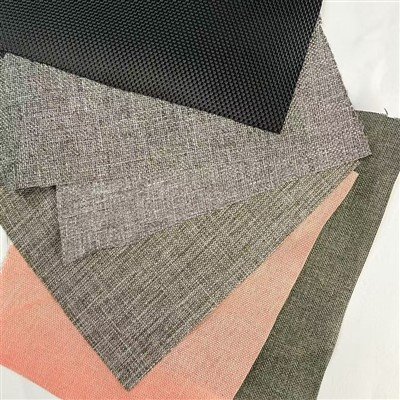
Whether 1680D Cationic Oxford Fabric is suitable for your project depends on your specific requirements. If you are in need of a durable, high – quality fabric that can withstand heavy use, and the bulkiness is not a major concern, then this fabric is an excellent choice.
1680D Cationic Oxford Fabric If you are interested in learning more about 1680D Cationic Oxford Fabric or are considering it for your next project, please feel free to contact me for a detailed discussion. We can explore the specific properties of the fabric, its color options, and how it can best meet your needs. I look forward to the opportunity to work with you and provide you with the best fabric solutions.
References
- Textile Fabric Handbook, various editions, covering fabric denier, weave structures, and properties.
- Industry reports on outdoor and luggage fabric trends, which often discuss the use and characteristics of 1680D Cationic Oxford Fabric.
- Technical specifications from fiber and fabric manufacturers regarding denier, dyeing processes, and fabric treatments.
Dongyang Huangxiu Leather & Plastic Co., Ltd.
With abundant experience, we are one of the most professional 1680d cationic oxford fabric manufacturers in China. We warmly welcome you to wholesale customized 1680d cationic oxford fabric made in China here from our factory. If you have any enquiry about quotation and free sample, please feel free to email us.
Address: Huangxiu Leather & Plastic Products, No. 79 Shunda Road, Huashui Town, Dongyang City, Zhejiang Province
E-mail: x372921764@163.com
WebSite: https://www.huangxiutextile.com/
