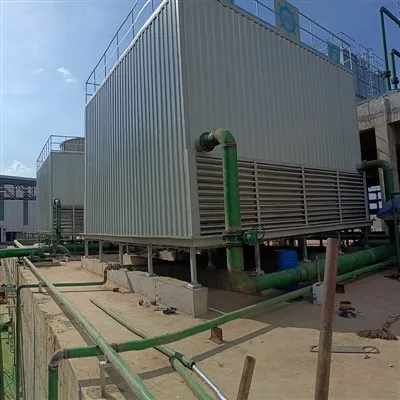
When operating an open cooling tower, selecting the appropriate water source is crucial for ensuring the tower’s efficiency, longevity, and overall performance. As an open cooling tower supplier, I’ve encountered numerous questions from customers regarding the types of water suitable for their cooling systems. In this blog post, I’ll delve into the various water sources that can be used in an open cooling tower, their characteristics, and the considerations associated with each. Open Cooling Tower
Municipal Water
Municipal water, or tap water, is one of the most commonly used water sources for open cooling towers. It is readily available in urban and suburban areas and is typically treated by local water treatment plants to meet public health standards. The advantages of using municipal water include:
- Easy Access: It can be directly connected to the cooling tower system, eliminating the need for additional water extraction or treatment equipment.
- Consistent Quality: Municipal water treatment plants monitor and adjust the water quality regularly, ensuring a relatively stable supply of water with low levels of contaminants.
- Low Maintenance: Compared to other water sources, municipal water generally requires less maintenance and treatment to prevent scaling, corrosion, and biological growth in the cooling tower.
However, there are also some drawbacks to using municipal water:
- Cost: Depending on the local water rates, using municipal water can be expensive, especially for large-scale cooling tower operations.
- Chemical Content: Municipal water may contain chemicals such as chlorine, fluoride, and other additives, which can affect the performance of the cooling tower and its components over time.
- Water Scarcity: In regions facing water scarcity or drought conditions, the availability of municipal water may be limited, and using it for non-essential purposes like cooling tower operation may not be sustainable.
Well Water
Well water is another option for open cooling towers, especially in rural areas or industrial sites where municipal water is not readily available. Well water is extracted from underground aquifers and can vary significantly in quality depending on the location and geology of the area. The advantages of using well water include:
- Cost-Effective: Well water is often less expensive than municipal water, especially for large-volume users.
- Independence: Using well water provides independence from the municipal water supply, which can be beneficial in areas with limited water availability or unreliable water service.
- Customizable Treatment: Well water can be treated specifically to address its unique characteristics and contaminants, allowing for more tailored water treatment solutions.
However, there are also some challenges associated with using well water:
- Variable Quality: Well water can contain high levels of minerals, such as calcium, magnesium, and iron, which can cause scaling and corrosion in the cooling tower.
- Microbial Contamination: Well water may also be contaminated with bacteria, viruses, and other microorganisms, which can pose a health risk to cooling tower operators and users.
- Treatment Requirements: Well water typically requires more extensive treatment than municipal water to remove contaminants and prevent scaling, corrosion, and biological growth in the cooling tower.
Surface Water
Surface water, such as river water, lake water, or seawater, can also be used in open cooling towers, especially in industrial applications where large volumes of water are required. The advantages of using surface water include:
- Abundant Supply: Surface water is often available in large quantities, making it suitable for industrial cooling applications.
- Low Cost: Surface water is generally less expensive than municipal water, especially in areas where water rights are readily available.
- Environmental Benefits: Using surface water can reduce the demand for municipal water, which can help conserve water resources and reduce the environmental impact of cooling tower operation.
However, there are also some challenges associated with using surface water:
- High Contaminant Levels: Surface water can contain a variety of contaminants, including sediment, organic matter, bacteria, viruses, and heavy metals, which can cause fouling, corrosion, and biological growth in the cooling tower.
- Seasonal Variations: Surface water quality can vary significantly depending on the season, weather conditions, and upstream activities, which can make it difficult to maintain consistent water quality in the cooling tower.
- Treatment Requirements: Surface water typically requires extensive treatment to remove contaminants and prevent scaling, corrosion, and biological growth in the cooling tower.
Reclaimed Water
Reclaimed water, also known as recycled water or wastewater effluent, is treated wastewater that has been purified to a level suitable for reuse in non-potable applications, such as cooling tower operation. The advantages of using reclaimed water include:
- Water Conservation: Using reclaimed water reduces the demand for freshwater resources, which can help conserve water and reduce the environmental impact of cooling tower operation.
- Cost-Effective: Reclaimed water is often less expensive than municipal water, especially in areas where water is scarce or expensive.
- Sustainable Solution: Using reclaimed water is a sustainable solution that helps to close the water loop and reduce the amount of wastewater discharged into the environment.
However, there are also some challenges associated with using reclaimed water:
- Quality Variations: Reclaimed water quality can vary depending on the source of the wastewater, the treatment process used, and the intended use of the reclaimed water.
- Perceived Health Risks: Some people may be concerned about the potential health risks associated with using reclaimed water, even though it has been treated to meet strict water quality standards.
- Treatment Requirements: Reclaimed water typically requires additional treatment to remove any remaining contaminants and prevent scaling, corrosion, and biological growth in the cooling tower.
Considerations for Water Selection
When selecting the appropriate water source for an open cooling tower, several factors should be considered, including:
- Water Quality: The water quality of the source water should be analyzed to determine the levels of contaminants, such as minerals, bacteria, viruses, and heavy metals, and to identify any potential issues that may affect the performance of the cooling tower.
- Water Availability: The availability of the water source should be considered, including the quantity and reliability of the water supply. In areas where water is scarce or drought conditions are common, using alternative water sources, such as reclaimed water or well water, may be necessary.
- Cost: The cost of the water source, including the purchase price, treatment costs, and disposal costs, should be considered when selecting the appropriate water source for the cooling tower.
- Environmental Impact: The environmental impact of using the water source should be considered, including the energy consumption, greenhouse gas emissions, and water consumption associated with the treatment and use of the water.
- Regulatory Requirements: The regulatory requirements for the use of water in cooling towers should be considered, including any permits or approvals required by local, state, or federal authorities.
Conclusion
Selecting the appropriate water source for an open cooling tower is a critical decision that can have a significant impact on the performance, efficiency, and longevity of the cooling tower. As an open cooling tower supplier, I recommend conducting a thorough analysis of the available water sources and considering the factors discussed in this blog post before making a decision. By selecting the right water source and implementing appropriate water treatment measures, you can ensure the reliable and efficient operation of your open cooling tower while minimizing the environmental impact and cost of water use.

If you’re interested in learning more about the types of water suitable for open cooling towers or if you need assistance in selecting the appropriate water source and treatment system for your cooling tower, please don’t hesitate to contact me. I’m here to help you find the best solution for your specific needs.
Closed Circuit Cooling Tower References
- ASHRAE Handbook: HVAC Systems and Equipment. American Society of Heating, Refrigerating and Air-Conditioning Engineers.
- Cooling Tower Institute. Technical Manuals and Guidelines.
- United States Environmental Protection Agency. Water Quality Criteria and Standards.
Hainan Haizhou Fluid Technology Co., Ltd.
As one of the most experienced open cooling tower manufacturers and suppliers in China, we also support customized service. Please feel free to wholesale bulk high quality open cooling tower in stock here from our factory. Contact us for more details.
Address: Room 3003A-877, 30th Floor, Tower A, Internet Finance Building, No. 3 Guoxing Avenue, Lantian Subdistrict, Meilan District, Haikou City, Hainan Province
E-mail: FD@jxark.com
WebSite: https://www.hnhzark.com/
