As a gas pipe supplier deeply entrenched in the industry, I’ve witnessed firsthand the confusion that often surrounds the differences between natural gas pipes and propane gas pipes. It’s a topic that’s not only crucial for professionals in the field but also for homeowners and businesses looking to install or upgrade their gas systems. In this blog, I’ll delve into the key distinctions between these two types of pipes, exploring their materials, requirements, and applications. Gas Pipe

Let’s start with the basics: natural gas and propane are both widely used as energy sources for heating, cooking, and powering various appliances. However, they have different chemical compositions and physical properties, which in turn dictate the specific requirements for the pipes that carry them.
Composition and Properties
Natural gas is primarily composed of methane, a colorless and odorless gas. To make it detectable in case of leaks, a foul – smelling odorant called mercaptan is added. It is lighter than air and tends to rise when released into the atmosphere. Propane, on the other hand, is a liquefied petroleum gas (LPG). It is heavier than air and will settle in low – lying areas if there is a leak. These differences in composition and density have significant implications for the safety and design of the gas pipes.
Pipe Materials
One of the most noticeable differences between natural gas pipes and propane gas pipes lies in the materials used. For natural gas, a variety of materials can be employed. Steel pipes are a popular choice due to their strength and durability. They can withstand high pressures and are resistant to corrosion when properly coated. Copper pipes are also commonly used, especially in residential settings. They are easy to install, bend, and soldered, making them a cost – effective option for smaller – scale installations. Plastic pipes, such as polyethylene (PE), are increasingly being used for natural gas distribution. PE pipes are flexible, lightweight, and resistant to corrosion, which makes them suitable for underground installations.
Propane pipes, however, have more stringent material requirements. Steel pipes are the most common choice for propane systems. This is because propane is a more aggressive gas compared to natural gas. It can cause certain types of plastics to degrade over time. While copper pipes can be used for propane in some cases, special considerations must be taken. For example, the copper must be of a high – quality grade and properly installed to prevent any potential reactions with propane.
Pressure Requirements
Another significant difference is the pressure at which these gases are delivered. Natural gas is typically delivered at a relatively lower pressure. In residential settings, the pressure of natural gas is usually around 7 – 14 inches of water column (WC). In commercial and industrial applications, the pressure can vary but is generally still lower compared to propane.
Propane, on the other hand, is stored and delivered at a much higher pressure. Propane is stored in liquid form in tanks, and when it is released for use, it vaporizes. The pressure of propane in a typical residential tank can range from 100 – 200 pounds per square inch (psi). This higher pressure means that propane gas pipes need to be able to withstand greater stress. The pipes must be thicker – walled and more robustly constructed compared to natural gas pipes.
Safety Considerations
Safety is of utmost importance when dealing with gas pipes, and the differences between natural gas and propane pipes are reflected in their safety features. As mentioned earlier, natural gas is lighter than air. In case of a leak, it will disperse into the atmosphere relatively quickly. However, this also means that it can accumulate in enclosed spaces such as attics if proper ventilation is not provided.
Propane, being heavier than air, poses a different set of safety risks. If there is a propane leak, it will pool in low – lying areas, such as basements or crawl spaces. This can create a significant explosion hazard if the gas concentration reaches the flammable limit. As a result, propane gas pipes often require more extensive safety measures, including proper ventilation, leak detection systems, and pressure relief valves.
Installation and Maintenance
The installation process for natural gas and propane pipes also differs. Natural gas pipes can often be installed using simpler techniques, especially when using copper or plastic pipes. In many cases, they can be easily routed through walls and floors. For underground installations of natural gas pipes, special trenching and backfilling procedures need to be followed to protect the pipes.
Propane pipe installation is more complex. Since propane systems often involve tanks, proper tank placement, connection, and grounding are essential. The pipes need to be carefully insulated and protected from physical damage. Maintenance of propane pipes also requires more frequent inspections due to the higher pressure and the potential for corrosion caused by propane.
Applications
The applications of natural gas and propane also influence the type of pipes used. Natural gas is commonly used for central heating systems, water heaters, and cooking appliances in homes and commercial buildings. It is also widely used in power generation and industrial processes.
Propane, on the other hand, is often used in areas where natural gas is not available. It is a popular choice for outdoor grills, portable heaters, and off – grid homes. In addition, propane is used in some industrial applications, such as forklift trucks and agricultural equipment.
Cost Considerations
Cost is an important factor for many customers. Generally, natural gas pipes can be less expensive to install, especially when using plastic or copper pipes. The lower pressure requirements also mean that less – expensive pipe materials can be used in many cases.
Propane pipes, due to their higher – pressure requirements and more stringent material specifications, tend to be more expensive. The cost of installing a propane system also includes the cost of the storage tank and associated safety equipment.
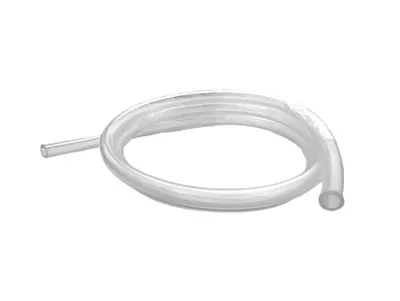
In conclusion, understanding the differences between natural gas pipes and propane gas pipes is essential for anyone involved in the installation, maintenance, or use of gas systems. As a gas pipe supplier, I’m well – equipped to provide you with the right pipes for your specific needs. Whether you’re looking for natural gas pipes for your new home or propane pipes for an industrial application, I can offer a wide range of high – quality products that meet all the necessary safety and performance standards.
Flat Hose If you’re in the market for gas pipes, I encourage you to reach out for a detailed consultation. We can discuss your project requirements, budget, and timeline to ensure that you get the best solution for your gas pipe needs. Let’s start a conversation and find the perfect gas pipe solution for you.
References
- "Gas Piping Handbook", American Gas Association
- "Installation of Gas Appliances and Equipment", National Fire Protection Association
- "Propane Gas Systems: Design and Installation", Propane Education & Research Council
Weifang Xinzhiyuan Plastic Co., Ltd.
As one of the most experienced gas pipe manufacturers and suppliers in China, we offer a wide range of products with superior quality. Please feel free to wholesale premium gas pipe made in China here from our factory. We also accept customized orders.
Address: No. 700, Tongle Street, Economic Development Zone, Changle County, Weifang City, Shandong Province
E-mail: hua@xzypvchose.com
WebSite: https://www.pvchose-xzy.com/
