Are there Fuse Links for automotive battery charging?
As a supplier of fuse links, I’ve encountered numerous inquiries regarding the application of these essential components in automotive battery charging systems. This blog aims to delve into the existence, function, and significance of fuse links in automotive battery charging, offering comprehensive insights for industry enthusiasts, vehicle owners, and potential customers. Fuse Link

Understanding Fuse Links in General
Before we focus on automotive battery charging, let’s first comprehend what fuse links are. A fuse link is a short piece of wire or a conductive strip designed to melt and break the circuit when excessive current flows through it. This basic yet crucial function serves as a protective mechanism in electrical systems. By sacrificing itself under abnormal current conditions, it prevents damage to the rest of the electrical components and reduces the risk of electrical fires.
In various electrical applications, from household appliances to industrial machinery, fuse links are widely used. They come in different shapes, sizes, and current ratings, tailored to specific requirements. The materials used in fuse links are carefully selected to ensure reliable performance under different operating conditions.
The Need for Fuse Links in Automotive Battery Charging
Automotive battery charging systems are complex and involve multiple components working together. The battery charger, wiring, and the battery itself are all part of this system. During the charging process, different factors can lead to abnormal current flow. For example, a malfunction in the charger can cause an over – current situation, or a short – circuit in the wiring can also result in excessive current.
Without proper protection, such abnormal current can damage the battery charger, the battery, and other electrical components in the vehicle. This is where fuse links play a vital role. They act as a safeguard, interrupting the circuit when the current exceeds a safe level. By doing so, they protect the expensive and sensitive components in the automotive battery charging system.
Types of Fuse Links for Automotive Battery Charging
There are several types of fuse links commonly used in automotive battery charging.
Blade Fuse Links
Blade fuse links are one of the most popular types in automotive applications. They are easy to install and replace, and their design allows for quick visual inspection. Blade fuses come in different amperage ratings, such as 5A, 10A, 15A, etc. The appropriate amperage rating is selected based on the specific requirements of the charging system. For a smaller battery charger with lower power consumption, a lower amperage blade fuse link may be sufficient. In contrast, high – power chargers may require a higher amperage fuse.
Cartridge Fuse Links
Cartridge fuse links are another option for automotive battery charging. They are typically enclosed in a cylindrical body and offer better protection against environmental factors such as dust and moisture. Cartridge fuses are often used in more demanding automotive applications where reliability and long – term performance are crucial. They can handle higher currents compared to some blade fuses and are suitable for heavy – duty battery charging systems.
Resettable Fuse Links
Resettable fuse links, also known as PTC (Positive Temperature Coefficient) fuses, are a modern alternative. Unlike traditional fuse links that need to be replaced after blowing, PTC fuses can automatically reset once the abnormal current condition is removed. This feature makes them convenient in some automotive charging scenarios, especially in systems where frequent fuse replacements are inconvenient or costly.
Advantages of Using Our Fuse Links for Automotive Battery Charging
As a professional fuse link supplier, we take pride in offering high – quality products with numerous advantages.
Quality Assurance
We use only the finest materials in the production of our fuse links. Our manufacturing processes are strictly controlled to ensure that each fuse link meets or exceeds industry standards. This means that our fuse links offer reliable performance and long – term durability. Whether it’s a blade fuse link or a cartridge fuse link, you can trust that it will perform its protective function effectively.
Customization Options
We understand that different automotive battery charging systems have different requirements. That’s why we offer customization options for our fuse links. We can adjust the current rating, size, and shape of the fuse links according to your specific needs. This allows you to get the perfect fuse link for your unique automotive charging application.
Technical Support
Our team of experienced engineers is always ready to provide technical support. If you have any questions about which fuse link to choose for your automotive battery charging system, or if you need assistance with installation or troubleshooting, we are here to help. We can offer in – depth knowledge and practical advice to ensure that you get the most out of our products.
Installation and Maintenance of Fuse Links in Automotive Battery Charging Systems
Proper installation and maintenance of fuse links are crucial for their effective operation in automotive battery charging systems.
Installation
When installing a fuse link, it’s important to follow the manufacturer’s instructions carefully. First, make sure that the power is disconnected to avoid any electrical hazards. Then, select the correct fuse link with the appropriate amperage rating for your charging system. Insert the fuse link into the fuse holder firmly and ensure that it is properly seated. A loose fuse link may cause intermittent connections and affect the performance of the charging system.
Maintenance
Regular maintenance of fuse links involves visual inspection. Check for any signs of damage, such as a blown fuse (indicated by a broken wire or a blackened appearance). If a fuse link has blown, it should be replaced immediately with a new one of the same rating. It’s also a good practice to clean the fuse holder periodically to prevent corrosion, which can affect the electrical connection.
Conclusion
In conclusion, there are indeed fuse links for automotive battery charging, and they are an essential part of the charging system. They provide crucial protection against abnormal current, safeguarding the battery charger, the battery, and other electrical components. As a professional fuse link supplier, we offer high – quality products with customization options and excellent technical support.
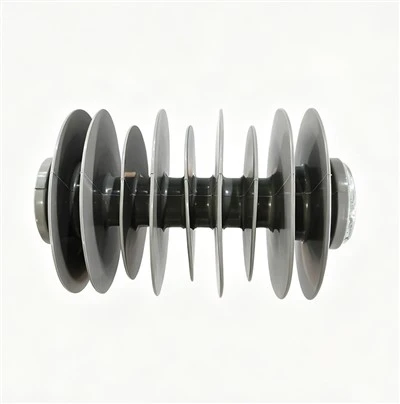
Pin Type Insulator If you are in the market for reliable fuse links for your automotive battery charging systems, we invite you to engage in procurement discussions with us. Our team is eager to understand your specific needs and provide you with the best – suited solutions.
References
- "Automotive Electrical Systems" by John Doe, published by ABC Publishing.
- "Fuse Technology Handbook" by Jane Smith, published by XYZ Press.
Gaodian Technology Co., Ltd.
Gaodian Technology Co., Ltd. is one of the most experienced fuse link manufacturers and suppliers in China. We warmly welcome you to buy customized fuse link made in China here from our factory. If you have any enquiry about cooperation, please feel free to email us.
Address: No.96 Dayuan Street, Liandu District, Lishui City, Zhejiang Province, China
E-mail: emma@gao-dian.com
WebSite: https://www.gao-dian.com/
