A wood chipper, also known as a wood shredder or chipper shredder, is a powerful machine designed to reduce wood materials into smaller pieces, such as chips or mulch. These machines are widely used in various industries and applications, from forestry and landscaping to waste management and biomass energy production. As a leading supplier of wood chippers, I have witnessed firsthand the versatility and importance of these machines in modern operations. In this blog, I will delve into the details of what a wood chipper is, how it works, its different types, and the benefits it offers. Wood Chippers

How Does a Wood Chipper Work?
At its core, a wood chipper operates on a simple yet effective principle. It uses a high – speed rotating drum or disc equipped with sharp blades to cut and break down wood. When you feed a piece of wood into the chipper, the blades come into contact with the wood and slice it into small chunks. The size of these chunks can be adjusted depending on the machine’s settings and the requirements of the user.
Most wood chippers have an in – feed chute where you place the wood. Gravity and the machine’s internal feeding mechanism then move the wood towards the cutting area. Once the wood is in the cutting zone, the spinning blades do their job, reducing the wood into chips. The chips are then ejected from the machine through a discharge chute. Some advanced models may also have features like auto – feeding systems that can detect the size and density of the wood, adjusting the feeding speed accordingly to optimize the chipping process.
Types of Wood Chippers
There are several types of wood chippers available on the market, each designed to meet different needs and budgets.
Drum Chippers
Drum chippers are among the most common types. They feature a large drum that rotates horizontally. The drum is fitted with multiple cutting blades around its circumference. As the drum spins, the blades slice through the wood, creating chips. Drum chippers are known for their high capacity and can handle large – diameter logs. They are often used in commercial forestry operations and large – scale wood processing plants. However, they can be relatively expensive and require a significant amount of space due to their size.
Disc Chippers
Disc chippers use a circular disc that rotates at high speed. The disc has blades attached to its edge. When wood is fed into the chipper, the spinning disc cuts the wood into chips. Disc chippers are generally more compact and less expensive than drum chippers. They are suitable for smaller – scale operations, such as landscaping and residential use. They can handle medium – sized branches and logs and are often more mobile, making them easy to transport between job sites.
Shredder – Chippers
Shredder – chippers combine the functions of a shredder and a chipper. These machines can not only chip wood but also shred other organic materials, such as leaves, twigs, and brush. They are often lighter and more portable than the other two types, making them ideal for homeowners and small – business owners. Shredder – chippers usually have a lower horsepower compared to drum and disc chippers, but they are more versatile in terms of the materials they can process.
Benefits of Using a Wood Chipper
The use of a wood chipper offers numerous benefits, both for businesses and individuals.
Waste Management
One of the primary benefits of a wood chipper is its ability to reduce the volume of wood waste. Instead of large piles of branches and logs taking up space in a landfill, a wood chipper can turn them into small chips. These chips can be used for various purposes, such as mulching, which helps to retain moisture in the soil, suppress weeds, and improve soil fertility. This not only reduces the amount of waste sent to landfills but also makes the waste more useful.
Cost – Efficiency
For businesses in the forestry, landscaping, and construction industries, using a wood chipper can be cost – effective. Instead of paying for the transportation and disposal of large amounts of wood waste, they can convert the waste into a valuable resource on – site. This can result in significant savings on waste management costs. Additionally, the wood chips produced can be sold or used in the company’s own operations, generating additional revenue or reducing the need to purchase other materials.
Safety
Clearing wood debris can be a dangerous task, especially when dealing with large branches and logs. A wood chipper eliminates the need for manual cutting and handling of these materials, reducing the risk of injuries such as cuts, strains, and falls. With proper safety precautions and training, operating a wood chipper can be a much safer alternative to traditional wood – clearing methods.
Environmental Benefits
By recycling wood waste into useful materials like mulch, wood chippers contribute to environmental sustainability. The use of mulch in gardening and landscaping reduces the need for chemical fertilizers and pesticides, which can have negative impacts on the environment. Moreover, producing wood chips for biomass energy generation can help to reduce reliance on fossil fuels, thereby reducing greenhouse gas emissions.
Ideal Applications for Wood Chippers
Wood chippers are widely used in a variety of settings and industries.
Forestry
In the forestry industry, wood chippers play a crucial role in tree harvest operations. After trees are felled, the branches and tops are often removed and chipped. The wood chips can be used for pulp and paper production, as fuel for biomass power plants, or as raw material for the production of particleboard and other wood – based products. This helps to make the most of the harvested trees and reduces waste.
Landscaping
Landscapers use wood chippers to process tree branches, leaves, and other organic debris generated during pruning and tree removals. The resulting wood chips can be used as mulch in gardens, flower beds, and around trees. Mulching not only enhances the aesthetic appeal of the landscape but also provides important benefits to the plants, such as protecting the soil from erosion and maintaining a consistent soil temperature.
Municipalities
Municipalities often use wood chippers to manage the large amounts of wood waste generated from street tree maintenance, storm cleanup, and park management. By chipping the waste on – site, they can reduce the volume of waste requiring disposal and use the wood chips for various municipal projects, such as trail surfacing or erosion control.
Residential Use
Homeowners can also benefit from owning a wood chipper. For those with large yards or trees on their property, a wood chipper can make the task of yard cleanup much easier. They can turn fallen branches and pruning waste into mulch for their gardens, saving money on purchasing bagged mulch from the store.
Factors to Consider When Choosing a Wood Chipper
If you are in the market for a wood chipper, there are several factors you should consider.
Power Source
Wood chippers can be powered by gasoline engines, electric motors, or diesel engines. Gasoline – powered chippers are typically more portable and suitable for remote job sites where access to electricity may be limited. Electric chippers are quieter, more environmentally friendly, and easier to maintain, but they are limited by the length of the power cord. Diesel – powered chippers are often used in commercial applications due to their high torque and power, but they can be more expensive to purchase and operate.
Capacity
The capacity of a wood chipper refers to the maximum diameter of the wood it can handle. For small – scale residential use, a chipper with a capacity of 2 – 4 inches may be sufficient. However, for commercial operations or large – scale projects, you may need a chipper with a capacity of 6 inches or more.
Mobility
If you need to move the wood chipper between different job sites, consider its mobility. Some chippers are mounted on wheels or trailers, making them easy to transport. Others are larger and more stationary, designed for use in a single location.
Safety Features
Safety should be a top priority when choosing a wood chipper. Look for machines with features such as safety guards, emergency stop buttons, and auto – reverse feeding systems. These features can help prevent accidents and injuries during operation.
Our Wood Chipper Offerings
As a professional wood chipper supplier, we understand the diverse needs of our customers. That’s why we offer a wide range of wood chippers, including drum chippers, disc chippers, and shredder – chippers. Our products are known for their high – quality construction, reliable performance, and user – friendly design.
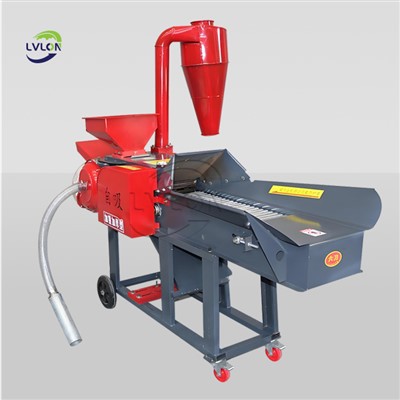
We source our wood chippers from leading manufacturers who adhere to strict quality control standards. Whether you are a homeowner looking for a small, portable chipper or a large – scale commercial operator in need of a high – capacity machine, we have the right solution for you. Our experienced sales team can provide you with detailed information about each product, helping you choose the wood chipper that best suits your requirements and budget.
Get in Touch for Procurement
Grain Threshing If you are interested in learning more about our wood chippers or would like to discuss your specific procurement needs, we invite you to reach out to us. Our team is ready to assist you through the entire process, from product selection and technical consultation to after – sales service. Don’t hesitate to contact us to start your journey towards efficient and effective wood processing.
References
- "Forest Products and Wood Science: An Introduction", by Roger M. Rowell, Roger A. Young, James S. Han, 6th Edition.
- "Landscape Maintenance: Principles and Practices", by Frank A. Blazich, Jr.
- Industry reports on wood chipper technology and market trends from leading research firms.
Henan Lvlon Industrial Co., Ltd.
We’re well-known as one of the leading wood chipper suppliers in China, featured by quality products and good price. Please rest assured to buy high-grade wood chipper for sale here from our factory. Welcome to view our website for more information.
Address: Unit 5, 5th Floor, Building 11, No. 18 Dongfeng Road, Jinshui District, Zhengzhou City, Henan Province.
E-mail: lvlonxu@gmail.com
WebSite: https://www.lvlonmachinery.com/
