How to integrate AGVs with conveyor systems
As an AGV supplier, I’ve had the privilege of being at the forefront of modernizing industrial material handling processes. One of the most effective and transformative integrations in this field is combining Automated Guided Vehicles (AGVs) with conveyor systems. This integration can significantly enhance efficiency, flexibility, and productivity in manufacturing, warehousing, and logistics operations. In this blog, I’ll share insights on how to seamlessly integrate AGVs with conveyor systems. AGV
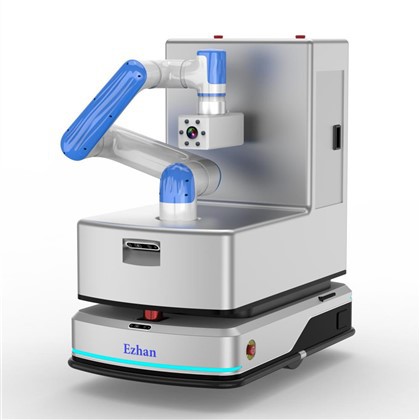
Understanding the Basics: AGVs and Conveyor Systems
Before diving into the integration process, it’s essential to have a clear understanding of what AGVs and conveyor systems are.
AGVs are self – guided vehicles that can transport materials within a facility without the need for an onboard operator. They use various navigation technologies such as laser guidance, magnetic tape guidance, or vision – based guidance to follow predefined paths. These vehicles are highly versatile and can be customized to handle different payloads, from small parts to heavy pallets.
Conveyor systems, on the other hand, are mechanical systems used to move materials continuously from one point to another. They come in different types, including belt conveyors, roller conveyors, and chain conveyors. Conveyors are ideal for high – volume, linear material flow and are commonly used in assembly lines, distribution centers, and manufacturing plants.
Benefits of Integrating AGVs with Conveyor Systems
The integration of AGVs and conveyor systems offers several advantages. Firstly, it increases flexibility. Conveyor systems are typically designed for fixed – path material movement, while AGVs can navigate different routes. By combining them, you can create a dynamic material handling system that can adapt to changing production requirements.
Secondly, it improves efficiency. AGVs can transfer materials between different conveyor sections or take materials to and from storage areas, reducing manual handling and minimizing downtime. This seamless transfer also helps to optimize the overall throughput of the material handling process.
Lastly, it enhances safety. Automated systems eliminate the risk of human error associated with material handling, reducing the likelihood of accidents such as collisions and fall – related injuries.
Planning the Integration
Proper planning is the key to a successful integration of AGVs and conveyor systems. The first step is to conduct a detailed site assessment. You need to understand the layout of the facility, including the location of existing conveyor systems, storage areas, and production equipment. This assessment will help you determine the most suitable routes for the AGVs and the optimal locations for loading and unloading points.
Next, you should define the material flow requirements. Consider the types of materials to be transported, their quantity, and the frequency of movement. This information will be crucial in determining the number and type of AGVs needed, as well as the capacity and speed requirements of the conveyor systems.
It’s also important to involve all stakeholders in the planning process. This includes production managers, warehouse staff, and IT personnel. Their input can provide valuable insights into the day – to – day operations and help ensure that the integrated system meets the practical needs of the facility.
Selecting the Right AGVs and Conveyor Systems
When integrating AGVs with conveyor systems, choosing the right equipment is essential. For AGVs, consider factors such as payload capacity, speed, navigation technology, and battery life. The payload capacity should match the weight of the materials to be transported, and the speed should be sufficient to keep up with the production demand.
The navigation technology is also crucial. Laser – guided AGVs offer high precision and flexibility, while magnetic tape – guided AGVs are more cost – effective and easier to install. Vision – based AGVs are suitable for environments where the layout may change frequently.
For conveyor systems, select the type that best suits your material handling needs. Belt conveyors are ideal for transporting lightweight and irregularly shaped materials, while roller conveyors are better for handling heavier and more rigid items. The length, width, and speed of the conveyor should be carefully selected based on the material flow requirements.
Designing the Interface between AGVs and Conveyor Systems
The interface between AGVs and conveyor systems is a critical aspect of the integration. It needs to ensure smooth and accurate transfer of materials. There are several types of interfaces that can be used.
One common interface is the docking station. AGVs can be programmed to dock precisely at the conveyor loading or unloading points. The docking station can be equipped with sensors to detect the presence of the AGV and the material. Once the AGV is in position, a transfer mechanism, such as a powered roller or a belt, can be used to move the material between the AGV and the conveyor.
Another option is to use a conveyor – AGV transfer unit. This unit can be installed at the intersection of the AGV path and the conveyor. It can lift or lower the material, allowing for seamless transfer between the two systems.
Implementing Safety Measures
Safety should always be a top priority when integrating AGVs and conveyor systems. Both AGVs and conveyors can pose significant risks if not properly managed.
For AGVs, install safety sensors such as laser scanners and bumpers. These sensors can detect obstacles in the path of the AGV and automatically stop the vehicle to prevent collisions. Additionally, implement a safety zone around the AGV operating area to restrict unauthorized access.
For conveyor systems, install emergency stop buttons and safety guards. The emergency stop buttons should be easily accessible at all points along the conveyor, and the safety guards should prevent workers from coming into contact with moving parts.
Testing and Commissioning
Before full – scale implementation, it’s crucial to conduct thorough testing and commissioning of the integrated system. Start with a small – scale test to verify the functionality of the AGV – conveyor interface. Check the accuracy of the material transfer, the navigation of the AGVs, and the operation of the conveyor systems.
During the testing phase, collect data on the performance of the system, such as throughput, cycle time, and error rate. Analyze this data to identify any areas that need improvement.
Once the small – scale test is successful, gradually expand the scope of the testing to include the entire system. This will help to ensure that the system can handle the full production load and meet all the performance requirements.
Training and Support
Proper training is essential for the successful operation of the integrated AGV – conveyor system. Provide training to all operators and maintenance staff on how to operate, monitor, and maintain the system. The training should cover topics such as AGV programming, conveyor operation, safety procedures, and troubleshooting.
In addition to training, offer ongoing support to the end – users. This can include remote monitoring, software updates, and on – site maintenance services. By providing reliable support, you can ensure that the system operates smoothly and minimize downtime.
Conclusion
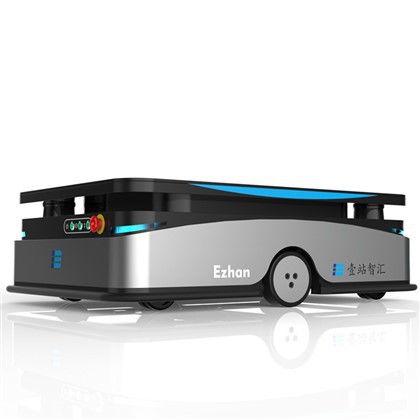
Integrating AGVs with conveyor systems is a complex but rewarding process. By following the steps outlined in this blog, you can create a highly efficient and flexible material handling system that can significantly improve the productivity of your facility.
Hybrid Robot If you’re interested in exploring how our AGVs can be integrated with your conveyor systems to enhance your operations, I encourage you to reach out to us for a detailed consultation. We have the expertise and experience to design and implement a customized solution that meets your specific needs.
References
- "Automated Guided Vehicles: Technology, Implementation, and Operations" by David A. Dornfeld
- "Conveyor Technology Handbook" by Christopher J. White
- Industry whitepapers on material handling system integration from leading manufacturers and research institutions
Shenzhen Ezhan Technology Co., Ltd.
We’re known as one of the most reliable AGV manufacturers and suppliers in China. With abundant experience, we warmly welcome you to buy bulk customized AGV from our factory. If you have any enquiry about cooperation, please feel free to email us.
Address: Room 1808, 1809, 1810, Building 2, Aipark, Baolong 4th Road, Longgang District, Shenzhen City
E-mail: sales01@ezhankeji.com
WebSite: https://www.ezhanrobot.com/
