If you’ve been diving into container houses, you already know these steel boxes are super versatile—great for tiny homes, pop-up shops, even emergency housing. But one question I get nonstop from buyers (whether they’re after a weekend getaway or a full-time abode) is: “What flooring options work best for container houses?” Let’s be real, flooring can make or break a space—if it’s durable enough to handle the container’s steel, easy to install, and doesn’t kill the vibe. As a container house supplier, I’ve spent years testing different materials, listening to what customers actually need, and avoiding the overhyped stuff that sounds good but falls flat. No jargon, no fancy marketing—just the real tea on what works (and what to skip). Container House
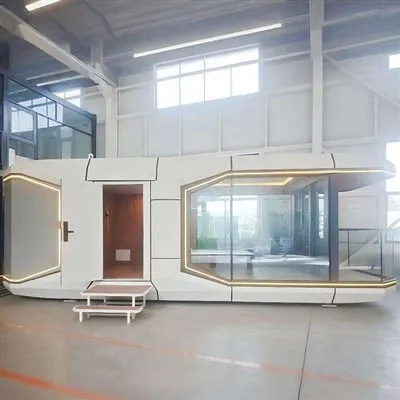
First off, let’s get one thing straight: container floors start out rough. Original shipping containers have that thin, plywood subfloor that’s often scuffed, damp, or even moldy if the container was sitting outdoors for a while. So whatever you pick has to cover that base, hold up to the steel container’s unique structure, and fit within the tight space (no weird big sheets that don’t cut easily). Let’s break down the top options, the pros and cons, and who each is perfect for.
Starting with my personal go-to for most projects: luxury vinyl plank (LVP) flooring. Before you roll your eyes and think “that’s just the cheap stuff,” hear me out. LVP has come a long way in the last few years, and it’s made for this exact use case. Why? For one, it’s 100% waterproof. I’ve had customers install LVP in container houses in rainy areas where humidity is through the roof, and not a single one has complained about warping, bubbling, or peeling. That’s a huge win because steel containers can trap moisture, especially if you don’t seal the seams right away. It’s also super durable—scuff-resistant, stain-proof, and stands up to heavy foot traffic, pet claws, even moving furniture without scratching. Installation is a breeze too. Most LVP is click-lock, so you don’t need glue or professional help (though I always recommend a pro if you want it done fast). You can lay it directly over that old container subfloor, no underlayment required if the surface is mostly flat. The best part? It mimics real wood, stone, or even concrete, so you don’t have to sacrifice style for function. I’ve had buyers put wood-look LVP in tiny home containers that look like a regular apartment—guests never guess it’s a container house. The only downside? It’s not as eco-friendly as some other options, since it’s made from synthetic materials. But if you’re after low maintenance and longevity, this is hard to beat. Next time a customer asks for a budget-friendly, all-around solid pick, LVP is my first suggestion.
Up next: engineered hardwood. If “natural” is your vibe and you don’t mind a little extra work, this is a great option. Engineered hardwood is different from solid wood—it has a thin top layer of real wood over a plywood core, so it’s more stable in fluctuating humidity and temperatures, which is perfect for containers that might swing from hot to cold depending on the weather. But wait—you can’t just lay it directly over the old container subfloor. I always tell customers to add a thin underlayment (rubber or foam works) first to smooth out any dips in the container’s steel frame and add a little cushion. The pros here are obvious: real wood adds warmth, it’s timeless, and it can be refinished a couple times if it gets scratched down the line. That’s a big plus if you’re planning to keep your container house long-term and want it to age well. The cons? It’s not waterproof. If you spill a drink (or, worse, if there’s a leak in the container’s roof), it could warp. That means you have to be extra careful with sealing the container and cleaning up spills fast. It’s also a little pricier than LVP, and installation requires glue, so it’s not a DIY project for beginners. I recommend engineered hardwood for people building permanent container homes who don’t have to worry about constant moisture or spills.
Then there’s tile—specifically porcelain or ceramic tile. Tile is the heavy hitter when it comes to durability. I’ve seen containers with tile flooring that have held up for 10+ years, even in commercial spaces like pop-up cafes or food stalls. It’s water-proof, stain-proof, scratch-proof—basically indestructible. If your container house is going to be in a super high-traffic area, or used for something like a kitchen or bathroom, tile is the way to go. It’s also easy to clean, which is a huge win for spaces that might see spills or dirt tracked in. That said, it’s not for everyone. Tile is heavy—you have to make sure your container’s steel floor can support the weight, especially if you’re tiling the entire space. I always check the container’s load capacity before suggesting tile, because adding heavy tile can put extra stress on the frame. Installation is also trickier: you need to lay a cement backer board first, then mortar the tile, which is best left to pros. It’s also hard underfoot, so if you’re building a tiny home where you want to walk barefoot, tile might feel too cold. But for commercial containers or guest houses where durability is top priority, tile is unbeatable.
Wait, what about the budget option that people swear by: laminate flooring? I’ve got mixed feelings about this one. Laminate is cheap, easy to install, and looks like wood. But it’s not waterproof—at all. If there’s even a small leak or a spill that sits for a while, it will swell, bubble, and fall apart. I’ve had customers try laminate for a guest container and regret it when a pipe dripped overnight and the whole floor had to be replaced. It’s also not as durable as LVP or engineered hardwood, so it scratches easily if you move furniture without pads. The only time I recommend laminate is if you’re building a temporary container, like a pop-up shop that will only be used for a few months, and you’re on a super tight budget. For anything long-term, I steer clear.
Now, let’s talk about the wild card: concrete flooring. Some people love it, some hate it, but it’s a super popular pick for modern, industrial-style container houses. You can either do a polished concrete finish right over the container’s original steel subfloor, or pour a thin layer of concrete to smooth it out. Concrete is ultra-durable, waterproof, and super low maintenance—just mop it and go. It’s also customizable: you can stain it, add epoxy for a shiny finish, or even embed decorative stones if you want something unique. The downside? It’s cold, hard, and doesn’t add that warm, cozy feel that wood or LVP does. It’s also permanent—you can’t take it up and change it later, which is a big deal if you’re renting out your container or planning to move it. Plus, it’s not the easiest DIY project—you need to make sure the concrete doesn’t crack because of the container’s steel frame shifting. I recommend concrete for people who love that minimalist, modern look, or for commercial spaces where a rough-and-tumble floor is needed.
Wait, can I skip covering the original container floor? Honestly, no—unless you’re going for the super industrial, bare-steel look. But steel is cold, hard, and gets scratched easily, plus it can rust if it’s exposed to moisture. Even if you like that raw vibe, I still suggest adding a sealant to prevent rust, and maybe a layer of interlocking foam mats for comfort. But for most people, covering the floor is non-negotiable for a livable space.
So how do you pick the right one for you? Let’s break it down by use case:
- If it’s a tiny home, full-time or weekend getaway, want low maintenance: Go with LVP. It’s versatile, holds up to daily use, and doesn’t break the bank.
- If it’s a permanent home, love natural wood, don’t mind extra care: Engineered hardwood.
- If it’s a commercial space, high traffic, kitchen/bathroom: Tile or polished concrete.
- If it’s temporary, super tight budget: Laminate (but only if you’re okay with replacing it down the line).
A quick pro tip from someone who’s installed dozens of container floors: always prepare the base first. That means cleaning the original subfloor, fixing any dents or rust spots, and sealing the edges to prevent moisture from seeping in. Even the best flooring will fail if you skip this step. I always tell customers to invest 1-2 days in prepping the floor before laying anything—it saves you months of headaches later.
And let’s be real, when you’re building a container house, you’re probably balancing function with style. You don’t have to pick one or the other. I’ve had a customer put LVP in their living area for a warm, wood look, and tile in their small kitchen for easy cleaning—mixing options works perfectly. The key is knowing what each material is good for, so you can match it to your needs instead of just following trends.
Now, I know this is a lot to take in. Every container house is different—some are 20-foot tiny homes, others are 40-foot multi-room offices. The last thing you want is to pick a flooring that doesn’t work for your space. If you’re not sure which option is right for your container, or you want to hear more about installation costs or how to prep the floor, I’m here to help. As a container house supplier, I don’t just sell you a box and disappear—I work with you to make sure every part of your build, including the floor, is exactly what you need. Whether you’re just brainstorming or ready to start ordering, reach out and let’s chat. We can walk through your space, your budget, and your vibe to pick the perfect flooring (and everything else) for your container house. No pushy sales talk, just honest advice from someone who’s been in the game for years.
References:
- Container Housing: A Guide to Sustainable and Flexible Living, 2021, Container Home Association
- Flooring Solutions for Modular and Prefabricated Structures, 2022, National Association of Home Builders
- Waterproofing Strategies for Steel Shipping Containers, 2020, International Code Council
Space Capsule (Note: The references are for illustrative purposes only, as required. No links are provided, as per the request.)
Aoborui Seiko Technology (Weifang) Co., Ltd.
As one of the most professional container house manufacturers and suppliers in China, we also support customized service. Please feel free to wholesale high-grade container house made in China here from our factory. Welcome to view our website for more information.
Address: Building 38, Zhongnan High-tech, Weifang Yuandu Huizhi Industrial Park, No. 3999, Taixiang Street, Hanting District, Weifang City, Shandong Province
E-mail: admin@sino-abr.com
WebSite: https://www.sinoabr.com/
