Can dowel pins be used in food – processing machinery?
As a dowel pin supplier, I often get asked about the suitability of dowel pins in various applications. One question that has come up more frequently lately is whether dowel pins can be used in food – processing machinery. In this blog post, I’ll explore the factors involved in this decision and provide insights based on my experience in the industry. Dowel Pin

Understanding Dowel Pins
Dowel pins are cylindrical rods, usually made of metal, plastic, or wood, that are used to align or fasten two or more components together. They work by fitting into precisely drilled holes in the parts, providing a strong and accurate connection. Common materials for dowel pins include stainless steel, carbon steel, and brass. Each material has its own set of properties that make it suitable for different applications.
Requirements for Food – Processing Machinery
Before delving into whether dowel pins can be used in food – processing machinery, it’s essential to understand the strict requirements that such machinery must meet. The primary concern in food – processing environments is food safety. Machinery must be designed and constructed to prevent contamination of the food products.
This means that any materials used in the construction of food – processing machinery should be non – toxic, corrosion – resistant, and easy to clean. Additionally, they should not react with food substances, be durable enough to withstand the rigors of continuous processing, and comply with relevant food safety standards such as those set by the Food and Drug Administration (FDA) in the United States or the European Food Safety Authority (EFSA) in Europe.
Material Suitability
When it comes to material selection for dowel pins in food – processing machinery, stainless steel is the top choice. Stainless steel is highly resistant to corrosion, which is crucial in a food – processing environment where the machinery is often exposed to water, steam, and various food acids. It is also non – toxic and does not contaminate food. Moreover, it can be finished to a smooth surface, which makes it easy to clean and sanitize.
On the other hand, carbon steel is less suitable for food – processing applications. Carbon steel can rust when exposed to moisture, and rust particles can contaminate food products. Even if the carbon steel is coated, the coating can wear off over time, exposing the underlying metal to corrosion. This makes stainless steel a far more reliable option for long – term use in food – processing machinery.
Plastic dowel pins can also be used in food – processing machinery, especially if they are made from food – grade plastics. Food – grade plastics are formulated to be non – toxic and compliant with food safety regulations. They are lightweight and can be a cost – effective alternative to metal dowel pins in some applications. However, they may not be as strong or durable as metal pins, and their use should be carefully considered based on the specific requirements of the machinery.
Design Considerations
In addition to material selection, the design of the dowel pins used in food – processing machinery is also crucial. The pins should be designed to minimize areas where food particles or debris can accumulate. For example, a smooth, cylindrical pin is preferred over a pin with complex grooves or threads that could trap food.
The installation method of the dowel pins is another important aspect. They should be installed in a way that ensures they do not come loose during the operation of the machinery. Loose dowel pins can not only cause misalignment of components but also pose a risk of falling into the food product.
Advantages of Using Dowel Pins in Food – Processing Machinery
There are several advantages to using dowel pins in food – processing machinery. One of the main benefits is their ability to provide accurate alignment. In food – processing operations, precise alignment of components is crucial for ensuring consistent product quality. Dowel pins can help maintain the correct positioning of cutting blades, conveyor belts, and other critical parts, reducing the likelihood of product defects.
Dowel pins also offer a strong and reliable connection. This is important in food – processing machinery, which often operates under high pressures and high – speed conditions. A secure connection provided by dowel pins can prevent components from shifting or vibrating during operation, enhancing the overall stability and longevity of the machinery.
Challenges and Mitigations
While dowel pins can be used effectively in food – processing machinery, there are also some challenges that need to be addressed. One challenge is the potential for crevice corrosion. If the dowel pins are not properly installed or if there are gaps between the pin and the mating hole, moisture can accumulate in these crevices, leading to corrosion. To mitigate this, it’s important to ensure a tight fit between the dowel pin and the hole and to use appropriate sealing methods if necessary.
Another challenge is the maintenance of dowel pins. Over time, the pins may wear out or become damaged due to repeated use. Regular inspection and replacement of worn – out pins are essential to ensure the continued safe and efficient operation of the food – processing machinery.
Industry Experience and Success Stories
In my experience as a dowel pin supplier, I’ve seen many food – processing companies successfully use dowel pins in their machinery. For example, a bakery that produces high – volume bread products uses stainless steel dowel pins to align the cutting knives on their slicing machines. The precise alignment provided by the dowel pins ensures that each slice of bread is uniform in thickness, improving the overall quality of the product.
A dairy processing plant also uses dowel pins in their filling machines. The dowel pins help to maintain the correct positioning of the nozzles, ensuring accurate filling of milk cartons and reducing product waste.
Conclusion
So, can dowel pins be used in food – processing machinery? The answer is yes, but with careful consideration of material selection, design, and maintenance. Stainless steel dowel pins, in particular, are well – suited for this application due to their corrosion resistance, non – toxicity, and strength.
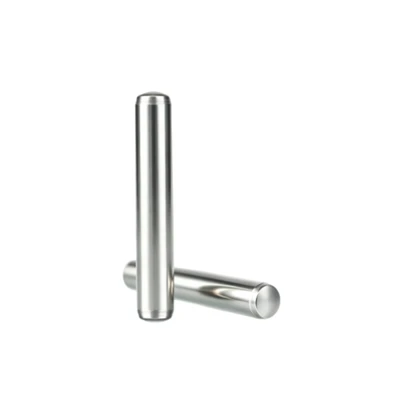
If you’re involved in the food – processing industry and are considering using dowel pins in your machinery, I’d be happy to assist you. As a dowel pin supplier, I have the expertise and experience to help you select the right dowel pins for your specific needs. Whether you need stainless steel pins for a high – precision application or food – grade plastic pins for a cost – effective solution, I can provide you with high – quality products that meet your requirements.
Dowel Pins Don’t hesitate to reach out if you have any questions or if you’re ready to discuss a potential dowel pin purchase. I’m here to help you make the best choice for your food – processing machinery.
References
- Smith, J. (2020). Materials for Food – Processing Equipment. Journal of Food Processing Technology.
- Brown, A. (2021). Design Considerations for Machinery in the Food Industry. Food Manufacturing Magazine.
- Wilson, B. (2019). Maintenance Best Practices for Food – Processing Machinery. Industrial Maintenance Journal.
Anhui Pins Metal Products Co., Ltd.
With abundant experience, we are one of the most professional dowel pins manufacturers and suppliers in China. Please rest assured to buy high quality dowel pins made in China here from our factory. For custom service and OEM&ODM service, contact us now.
Address: No. 381 Yangqiao Road, Quanjiao County, Chuzhou City, Anhui Province. Postal Code:239500
E-mail: info@chn-pins.com
WebSite: https://www.chn-pins.com/
